Quick Answer: What Does the Science Say About Oregano Oil?
Oregano oil (Origanum vulgare) has impressive in vitro antifungal activity driven by carvacrol and thymol. However, the clinical evidence gap is significant: no RCT has tested it as monotherapy for nail fungus in humans. Its role in fungus supplements is as a topical biofilm disruptor, not a standalone cure.
What Is Oregano Oil?
Oregano essential oil is steam-distilled from the flowering tops and leaves of Origanum vulgare. Mediterranean wild oregano (Spanish or Turkish origin) is highest in carvacrol. Quality: look for oils standardized to ≥55% carvacrol. Not to be confused with common culinary oregano (Origanum majorana), which contains minimal carvacrol.
Active Compounds & Antifungal Mechanism
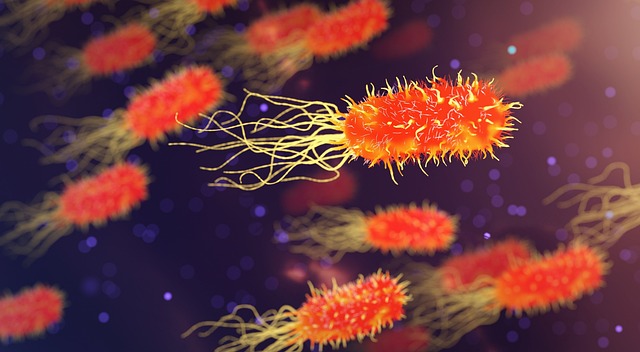
Carvacrol (60–80%) is the primary bioactive. It integrates into the ergosterol-containing fungal cell membrane, disrupting membrane potential and causing ion leakage. At sub-MIC concentrations, it inhibits biofilm formation — relevant because biofilms protect fungi from antifungal drugs. Thymol (5–10%) acts synergistically by targeting different membrane components. Together they exhibit minimum inhibitory concentrations (MIC) of 0.03–0.25 mg/mL against Candida albicans in multiple in vitro studies.
Clinical Evidence
The evidence base is largely pre-clinical. In vitro studies consistently show potent antifungal activity against Candida spp., Aspergillus spp., and dermatophytes including Trichophyton rubrum (the primary nail fungus pathogen). A 2011 study (Force et al., Phytotherapy Research) showed oregano oil inhibited Candida growth in a mouse model.
Evidence Gap: No human RCT exists for onychomycosis specifically. The jump from MIC values in a lab dish to clinical efficacy in a nail plate is not validated. Bioavailability after topical application to keratin-dense nail plate tissue is unknown.
Dosage & Administration
Topical: 1–5% dilution in carrier oil (jojoba, coconut) applied once daily to affected nails. Oral (capsules): 200–600mg/day of standardized extract with ≥55% carvacrol, taken with food to reduce GI irritation. Maximum studied duration: 90 days continuous. Do not use undiluted on skin or mucosa.
Safety Profile
Generally recognized as safe (GRAS status by FDA) for food use. At therapeutic doses: GI upset (most common), heartburn, potential mucosal irritation. Possible drug interactions: warfarin (thymol may affect platelet aggregation), diabetes medications (hypoglycemic effect). Avoid during pregnancy — uterotonic effects reported in animal studies.
BioBoost Verdict
Oregano oil earns Promising ⚠️ (Pre-clinical): strong in vitro data, plausible mechanism, but no human RCT for nail fungus. Best used as a topical adjunct alongside proven interventions. Not a replacement for terbinafine or efinaconazole in clinical onychomycosis.
🛒 Products Containing Oregano Oil
- TerraCalm Review — Topical clay cream with oregano oil as secondary antifungal
- KeraBiotics Review — Topical serum with oregano oil + biotin blend for nail health
Frequently Asked Questions
Is oregano oil effective against nail fungus?
Strong in vitro evidence, but no human RCT for onychomycosis. Used as topical adjunct in supplements, not standalone monotherapy.
What is carvacrol and how does it kill fungi?
Phenolic monoterpene (60–80% of oregano oil) that disrupts fungal cell membranes by binding ergosterol, causing leakage and cell death. Also inhibits biofilm formation.
What dose is safe?
Topical: 1–5% dilution. Oral: 200–600mg/day standardized extract (≥55% carvacrol) with food. Avoid undiluted oral intake.
Can it interact with medications?
Potential interaction with anticoagulants and diabetes medications. Stop 2 weeks before surgery.
Which products contain oregano oil?
TerraCalm and KeraBiotics — both topical antifungal formulations reviewed at BioBoostReviews.
Affiliate Disclosure: This page contains affiliate links. We may earn a commission at no extra cost to you. Analysis based on published clinical evidence only.
Important Disclaimer
⚠️ Medical Disclaimer: The information provided in this review is for educational purposes only and is not intended to diagnose, treat, cure, or prevent any disease. These statements have not been evaluated by the Food and Drug Administration. This is a dietary supplement and should not replace professional medical advice. Consult your healthcare provider before starting any new supplement.