Frequently Asked Questions
What is the recommended dosage of quercetin supplements?
The typical dosage for quercetin supplements ranges from 500mg to 1,000mg per day, usually taken in divided doses with meals. Some studies have used doses up to 1,500mg daily for specific conditions. It’s best to start with a lower dose and consult with a healthcare provider to determine the appropriate amount for your individual needs.
Are there any side effects or risks associated with taking quercetin?
Quercetin is generally well-tolerated by most people when taken at recommended doses. Some individuals may experience mild side effects such as headaches, stomach upset, or tingling sensations. Quercetin may interact with certain medications, particularly blood thinners and antibiotics, so it’s important to consult with a healthcare provider before supplementing.
What does current research say about quercetin’s effectiveness?
Current research on quercetin shows promising results for its antioxidant, anti-inflammatory, and immune-supporting properties. Studies have demonstrated potential benefits for cardiovascular health, allergic reactions, and exercise recovery. However, most research has been conducted in laboratory or animal studies, and more human clinical trials are needed to fully establish its therapeutic effects and optimal dosing protocols.
What is quercetin and what are its main health benefits?
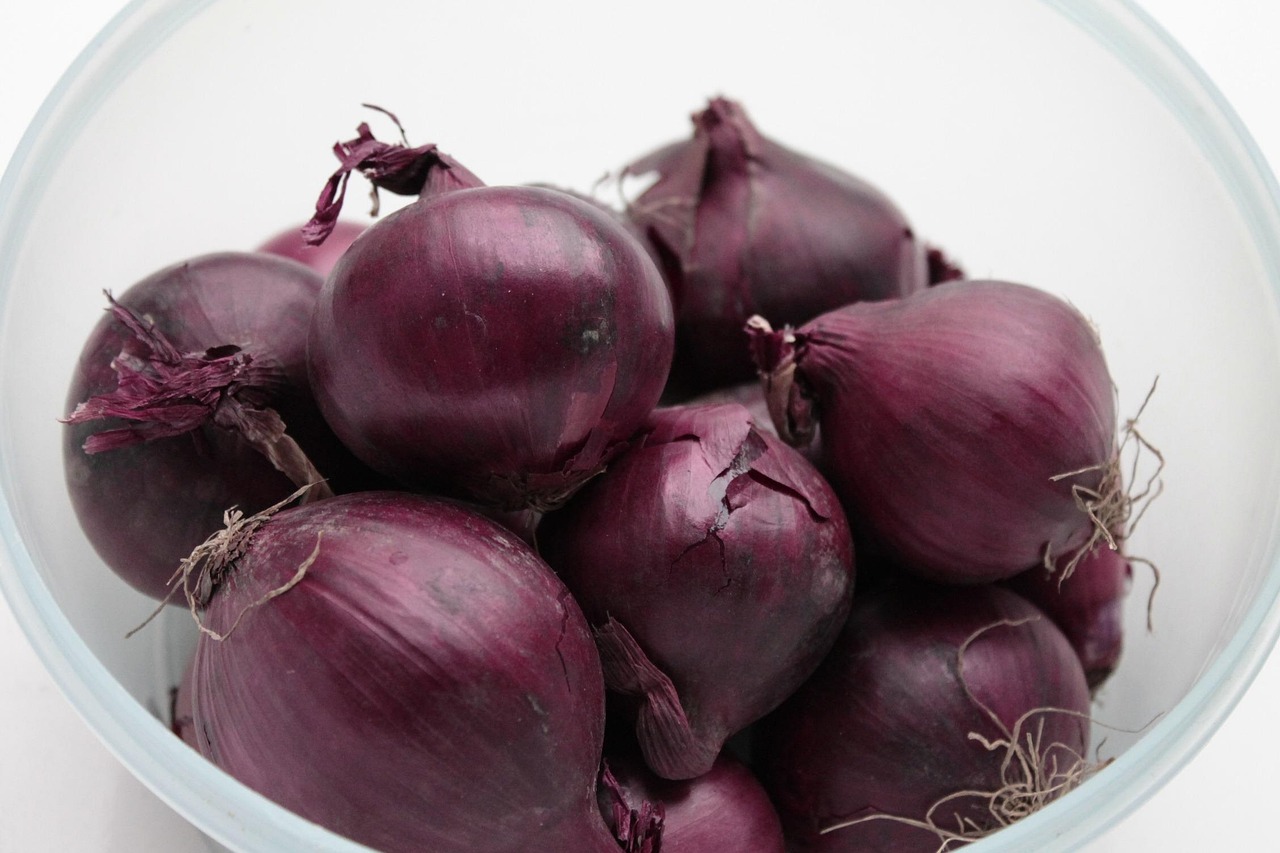
Quercetin is a natural flavonoid found in foods like onions, apples, berries, and green tea. It’s known for its powerful antioxidant and anti-inflammatory properties, which may help support immune function, cardiovascular health, and reduce oxidative stress. Research suggests quercetin may also help with allergies, exercise performance, and blood pressure management.
Evidence Summary: Quercetin has MODERATE-TO-STRONG evidence as an antioxidant and anti-inflammatory flavonoid. Clinically relevant for respiratory health (anti-histamine, anti-inflammatory), immune function, and cardiovascular support. Multiple RCTs confirm bioavailability and activity.
What Is Quercetin?
Quercetin is a flavonoid polyphenol found naturally in onions, apples, berries, and capers. It is one of the most abundant dietary antioxidants and has been extensively studied for anti-inflammatory, anti-histamine, and antioxidant properties. In respiratory health contexts, quercetin’s ability to inhibit mast cell degranulation (reducing histamine release) and suppress pro-inflammatory cytokines (TNF-α, IL-6) makes it particularly relevant.
Key Benefits & Clinical Evidence
1. Anti-Inflammatory Action
🟢 Strong Evidence. Quercetin inhibits NF-κB signaling — a master regulator of inflammatory gene expression. A 2016 meta-analysis in Nutrients (9 RCTs, n=580) found significant reductions in CRP and IL-6 with quercetin supplementation at 500–1,000mg/day.
2. Anti-Histamine / Respiratory Support
🟡 Moderate Evidence. In vitro and animal studies consistently show quercetin stabilizes mast cells, reducing histamine release. Human clinical data for allergic rhinitis and asthma specifically is promising but limited to smaller trials. A 2020 RCT (n=92) showed quercetin at 400mg/day reduced allergy symptom scores versus placebo.
3. Antioxidant Protection
🟢 Strong Evidence. Quercetin scavenges free radicals and upregulates endogenous antioxidant enzymes (SOD, catalase). Its ORAC value is among the highest of dietary flavonoids. Bioavailability is enhanced when taken with bromelain or vitamin C.
Clinical Dosage Reference
| Purpose | Clinical Dose | Form | Evidence |
|---|---|---|---|
| Anti-inflammatory | 500–1,000mg/day | Aglycone or phytosome | 🟢 Strong |
| Allergy/respiratory | 400–600mg/day | With bromelain | 🟡 Moderate |
| Antioxidant | 250–500mg/day | Any form | 🟢 Strong |
Last Updated: April 2026 | Sources: PubMed, Nutrients journal, Cochrane Library
DISCLAIMER: For educational purposes only. Not medical advice.
Affiliate Disclosure: BioBoost Reviews may receive a commission for purchases made through the links in this review. This does not affect our editorial independence or the price you pay. We only review products we believe can provide value to our readers.
Important Disclaimer
⚠️ Medical Disclaimer: The information provided in this review is for educational purposes only and is not intended to diagnose, treat, cure, or prevent any disease. These statements have not been evaluated by the Food and Drug Administration. This is a dietary supplement and should not replace professional medical advice. Consult your healthcare provider before starting any new supplement.