Quick Answer: What Does the Science Say About Beta-Sitosterol?
Beta-sitosterol is a plant sterol with one of the more consistent randomized-trial records among botanical ingredients for men’s urinary symptoms. A systematic review of four double-blind trials (519 men) found better symptom scores and urinary flow than placebo. The limits are just as important: the trials were short (4 to 26 weeks), the preparations were not standardized, and prostate size did not change. Verdict: one of the better-supported botanical options, as long as the label matches what was tested.
Beta-Sitosterol at a Glance
| What the evidence says | |
|---|---|
| What it is | A plant sterol found in plant foods such as vegetable oils and nuts |
| Best evidence | Systematic review of 4 double-blind RCTs, 519 men (Wilt, 1999) |
| Doses in the main trials | 60 mg a day (Berges, 1995) and 130 mg a day (Klippel, 1997) |
| Trial length | 4 to 26 weeks; one open 18-month follow-up |
| Prostate size | Not reduced |
| Evidence level | Moderate |
How Beta-Sitosterol Might Work
Honestly, nobody is sure. When the landmark 1995 Lancet trial was published, its authors noted that plant-derived treatments for the prostate were widely used in Europe even though no precise mechanism of action had been described (PMID 7540705). What the trials do show is an effect on symptoms and urine flow without a change in prostate size, which points to a functional effect rather than a reduction of the gland itself.
Clinical Evidence
Systematic review: 4 trials, 519 men (Wilt et al., 1999)
The review pooled four double-blind trials lasting 4 to 26 weeks. Compared with placebo, beta-sitosterol improved the International Prostate Symptom Score by -4.9 points, raised peak urinary flow by +3.91 mL/s and cut residual urine by -28.62 mL. It did not reduce prostate size. Withdrawal rates were 7.8% with beta-sitosterol versus 8.0% with placebo. One detail buyers should know: the only trial that used pure beta-sitosterol-beta-D-glucoside showed no improvement in urinary flow (PMID 10368239).
Berges et al., 1995 (The Lancet)
In 200 men with symptomatic benign prostatic hyperplasia, 20 mg of beta-sitosterol three times a day (60 mg a day, a mixture of phytosterols) for 6 months reduced the IPSS by 7.4 points versus 2.1 with placebo. Peak flow rose from 9.9 to 15.2 mL/s and residual urine fell from 65.8 to 30.4 mL, while these measures did not change with placebo. No relevant reduction in prostate volume was seen in either group (PMID 7540705).
Klippel et al., 1997
This 13-center trial gave 177 men 130 mg a day of free beta-sitosterol or placebo for 6 months. The IPSS difference versus placebo was 5.4 points and the quality-of-life index improved by 0.9. Peak flow increased by 4.5 mL/s and residual urine fell by 33.5 mL relative to placebo (PMID 9313662).
18-month follow-up (Berges et al., 2000)
In an open extension of the 1995 trial, 117 men were re-evaluated at 18 months. The 38 who kept taking beta-sitosterol held their results steady; the 41 who stopped had slightly worse symptom scores; and 27 former placebo patients who started beta-sitosterol improved to a similar degree. The authors still called for further trials before drawing firm conclusions (PMID 10792163).
How it compares with saw palmetto
Saw palmetto is the best-known prostate botanical, but the 2023 Cochrane review concluded that saw palmetto on its own provides little to no benefit for men’s urinary symptoms (PMID 37345871). By comparison, beta-sitosterol’s trials are older and shorter but more consistently positive, which is why we rate its evidence higher. See our saw palmetto evidence guide for the full picture.
Evidence Summary
| Study | Men | Daily dose | Length | Main result |
|---|---|---|---|---|
| Wilt 1999 (review) | 519 in 4 RCTs | Varied | 4-26 weeks | IPSS -4.9; flow +3.91 mL/s; no size change |
| Berges 1995 | 200 | 60 mg | 6 months | IPSS -7.4 vs -2.1 (placebo) |
| Klippel 1997 | 177 | 130 mg | 6 months | IPSS 5.4 points better than placebo |
| Berges 2000 | 117 (open) | Continued use | 18 months | Benefits maintained with continued use |
Dosage: What the Trials Used
- 60 mg a day (20 mg three times daily) in the 1995 Lancet trial.
- 130 mg a day of free beta-sitosterol in the 1997 trial.
- Form matters: a product with only beta-sitosterol-beta-D-glucoside did not improve flow in the review.
- Read the label: look for a stated amount of beta-sitosterol, not just “plant sterols” inside a blend.
- Give it time: the positive trials measured results at up to 6 months.
Safety
In the reviewed trials, men stopped beta-sitosterol about as often as placebo (7.8% vs 8.0%). The review’s authors noted that long-term effectiveness and safety are unknown. People with sitosterolemia, a rare inherited condition in which fats from plant foods accumulate in the blood and tissues, should avoid plant-sterol supplements (MedlinePlus Genetics). Because urinary symptoms can have several causes, get them evaluated by a doctor before self-treating.
BioBoost Verdict
Beta-sitosterol has consistent, placebo-controlled results for symptoms and urine flow, which puts it ahead of most prostate botanicals. The trials are short and decades old, and form and dose vary, so choose a product that discloses 60 to 130 mg of beta-sitosterol and judge it over months, not weeks.
Comparing Prostate Formulas
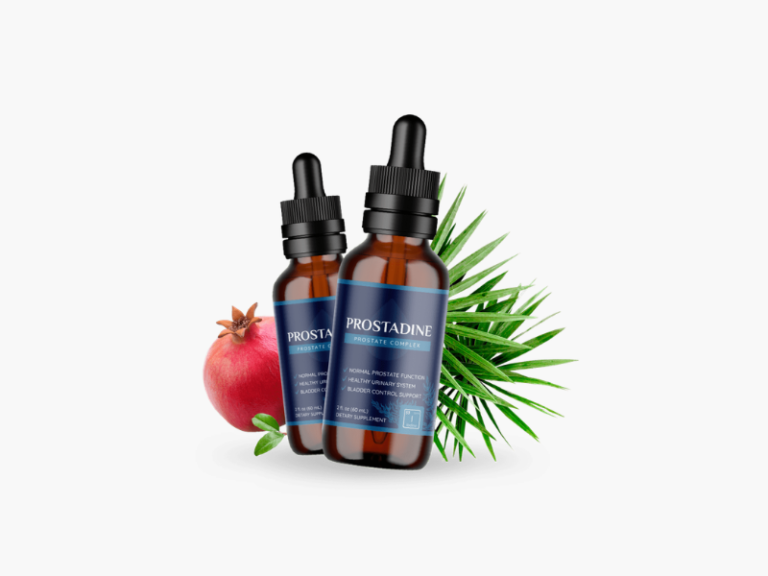
Not every prostate formula is built on beta-sitosterol. UroFlow takes a different approach, combining stinging nettle root, saw palmetto berry and pumpkin seed extracts (it does not list beta-sitosterol). Read our UroFlow review →
More evidence guides: Best Prostate Supplements 2026 · Zinc for prostate health · Pygeum bark.
Frequently Asked Questions
What is beta-sitosterol?
Beta-sitosterol is a plant sterol, a cholesterol-like compound found in plant foods such as vegetable oils and nuts. As a supplement it has been tested in men with urinary symptoms linked to benign prostatic hyperplasia.
What does the research show for urinary symptoms?
A systematic review of four double-blind trials with 519 men found better symptom scores (-4.9 IPSS points), higher peak urinary flow (+3.91 mL/s) and less urine left in the bladder (-28.62 mL) compared with placebo. The trials lasted only 4 to 26 weeks.
How much beta-sitosterol did the studies use?
The two main trials used 60 mg a day (20 mg three times daily) and 130 mg a day of free beta-sitosterol for 6 months. A product containing only beta-sitosterol-beta-D-glucoside did not improve urinary flow, so the form matters.
Does beta-sitosterol reduce prostate size?
No. The systematic review found that beta-sitosterol did not reduce prostate size, and the 1995 Lancet trial observed no relevant reduction in prostate volume. The improvements were in symptoms and urinary flow.
Is beta-sitosterol safe?
In the trials, withdrawal rates were similar to placebo (7.8% vs 8.0%). Long-term safety is unknown. People with sitosterolemia, a rare inherited condition in which plant sterols build up in the body, should avoid it. Get urinary symptoms checked by a doctor first.
References
- Wilt TJ, MacDonald R, Ishani A. Beta-sitosterol for the treatment of benign prostatic hyperplasia: a systematic review. BJU Int. 1999;83(9):976-983. PMID 10368239
- Berges RR, Windeler J, Trampisch HJ, Senge T. Randomised, placebo-controlled, double-blind clinical trial of beta-sitosterol in patients with benign prostatic hyperplasia. Lancet. 1995;345(8964):1529-1532. PMID 7540705
- Klippel KF, Hiltl DM, Schipp B. A multicentric, placebo-controlled, double-blind clinical trial of beta-sitosterol (phytosterol) for the treatment of benign prostatic hyperplasia. Br J Urol. 1997. PMID 9313662
- Berges RR, Kassen A, Senge T. Treatment of symptomatic benign prostatic hyperplasia with beta-sitosterol: an 18-month follow-up. BJU Int. 2000. PMID 10792163
- Franco JV, Trivisonno L, Sgarbossa NJ, et al. Serenoa repens for the treatment of lower urinary tract symptoms due to benign prostatic enlargement. Cochrane Database Syst Rev. 2023. PMID 37345871
Affiliate Disclosure: BioBoost Reviews may receive a commission for purchases made through links on this site. This does not affect our editorial independence or the price you pay.
Important Disclaimer
⚠️ Medical Disclaimer: The information provided here is for educational purposes only and is not intended to diagnose, treat, cure, or prevent any disease. These statements have not been evaluated by the Food and Drug Administration. Dietary supplements should not replace professional medical advice. Consult your healthcare provider before starting any new supplement.