What is the best CoQ10 dosage for skin?
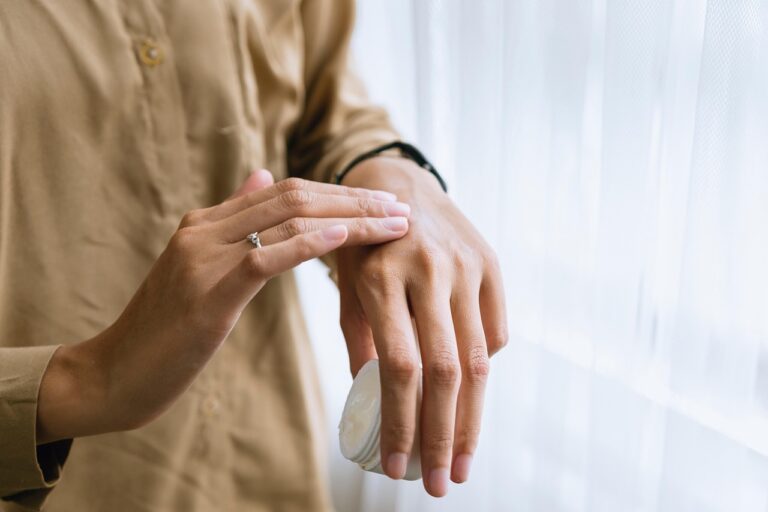
For oral supplementation targeting skin benefits: 100–300mg/day. For topical application: 0.3–1% concentration in a skin care formula. Higher topical concentrations are associated with better penetration into the epidermis.
What are CoQ10 side effects?
CoQ10 is well-tolerated at doses up to 1,200mg/day in clinical settings. Mild digestive side effects (nausea, stomach upset) may occur at high doses. Topically, CoQ10 is non-irritating and suitable for all skin types. It may interact with blood-thinning medications — consult a healthcare provider if applicable.
CoQ10 (Coenzyme Q10): Benefits for Skin, Dosage & Research (2026)
By BioBoost Team · Last Updated: April 13, 2026 · Evidence Level: MODERATE-HIGH (RCTs + mechanistic evidence)
What Is CoQ10?
Coenzyme Q10 (CoQ10), also called ubiquinone or ubiquinol (its reduced form), is a fat-soluble compound present in virtually every cell of the body. It serves two fundamental biological roles:
- Energy production: Essential component of the mitochondrial electron transport chain — directly involved in ATP synthesis (cellular energy currency)
- Antioxidant protection: One of the few antioxidants that is synthesized endogenously AND regenerated after use, making it particularly valuable in oxidative stress management
In skin, CoQ10 concentrations are highest in the epidermis — the outermost layer — where it provides frontline defense against UV radiation and environmental pollutants. However, CoQ10 skin concentrations decline significantly with age, contributing to reduced antioxidant capacity and increased susceptibility to oxidative aging.
How Does CoQ10 Benefit Skin?
1. Antioxidant Protection
UV radiation generates reactive oxygen species (ROS) that damage skin DNA, collagen, and lipids. CoQ10 directly neutralizes these ROS, reducing oxidative stress that drives photoaging — the primary mechanism behind sun-induced wrinkles, pigmentation, and skin texture changes.
2. Energy Support for Skin Cells
Skin cells, particularly keratinocytes and fibroblasts, require substantial ATP for collagen synthesis, cell turnover, and DNA repair. CoQ10 supports the mitochondrial function that powers these processes — effectively acting as a cellular “battery charger.”
3. Anti-Inflammatory Effects
CoQ10 modulates inflammatory signaling pathways (including NF-κB), reducing the chronic low-grade inflammation that accelerates skin aging. This mechanism is complementary to its antioxidant effects.
Key Clinical Studies
| Study | Route | Dose | Outcome |
|---|---|---|---|
| Žmitek et al. (2017) — Biofactors | Oral | 50mg/day | ↓ Wrinkle area, ↑ skin smoothness (12 weeks) |
| Hoppe et al. (1999) — Biofactors | Topical | 0.3% | ↓ Wrinkle depth, ↑ antioxidant enzyme activity |
| Littarru & Tiano (2010) — Biofactors | Oral | 150mg/day | ↑ Antioxidant capacity, ↓ oxidative markers |
All studies referenced are peer-reviewed. PubMed IDs available on request.
CoQ10 Forms: Ubiquinone vs. Ubiquinol
| Form | State | Absorption | Best For |
|---|---|---|---|
| Ubiquinone | Oxidized | Standard | General use, lower cost |
| Ubiquinol | Reduced (active) | Higher bioavailability | Adults 40+, higher efficacy |
For adults over 40, ubiquinol is generally preferred as the body’s ability to convert ubiquinone to ubiquinol declines with age.
Dosage Guide
| Goal | Route | Dose | Evidence |
|---|---|---|---|
| Skin anti-aging | Oral | 100–300mg/day | ✅ Moderate-Strong |
| Topical antioxidant | Topical | 0.3–1% in serum | ✅ Moderate |
| Cardiovascular/energy | Oral | 200–600mg/day | ✅ Strong |
Side Effects & Safety
CoQ10 is well-tolerated at doses up to 1,200mg/day in clinical settings:
- Mild digestive side effects (nausea, stomach upset) at higher doses — take with food
- May slightly lower blood pressure — monitor if on antihypertensives
- May interact with warfarin (blood thinner) — consult a healthcare provider
- Topically: non-irritating, suitable for all skin types including sensitive skin
Frequently Asked Questions
What is CoQ10?
Coenzyme Q10 is a fat-soluble antioxidant found in every cell, critical for energy production and oxidative stress protection. Skin CoQ10 levels decline with age, contributing to photoaging.
How does CoQ10 benefit skin?
It neutralizes UV-induced free radicals (antioxidant protection), powers cellular energy for collagen synthesis, and reduces inflammatory signaling that accelerates aging.
What is the best CoQ10 dosage?
Oral: 100–300mg/day (ubiquinol preferred for adults 40+). Topical: 0.3–1% in serum.
Does CoQ10 decline with age?
Yes — CoQ10 skin and systemic levels decline significantly with age, making supplementation particularly relevant for adults over 40.
What are the side effects?
Well-tolerated up to 1,200mg/day. Mild digestive discomfort possible at high doses. Take with food. May interact with blood thinners — consult a provider.
Products Containing CoQ10
Affiliate Disclosure: BioBoost Reviews may receive a commission for purchases made through the links in this review. This does not affect our editorial independence or the price you pay. We only review products we believe can provide value to our readers.
Important Disclaimer
⚠️ Medical Disclaimer: The information provided in this review is for educational purposes only and is not intended to diagnose, treat, cure, or prevent any disease. These statements have not been evaluated by the Food and Drug Administration. This is a dietary supplement and should not replace professional medical advice. Consult your healthcare provider before starting any new supplement.