Quick Answer: What Does the Science Say About Inulin?
Inulin is a well-evidenced prebiotic with consistent clinical data showing selective stimulation of beneficial gut bacteria (Bifidobacterium, Lactobacillus) and SCFA production. Critical caveat: inulin is a FODMAP — it can worsen symptoms in IBS patients with FODMAP sensitivity. Ideal for gut microbiome support in non-FODMAP-sensitive individuals; use with caution in IBS.
What Is Inulin?
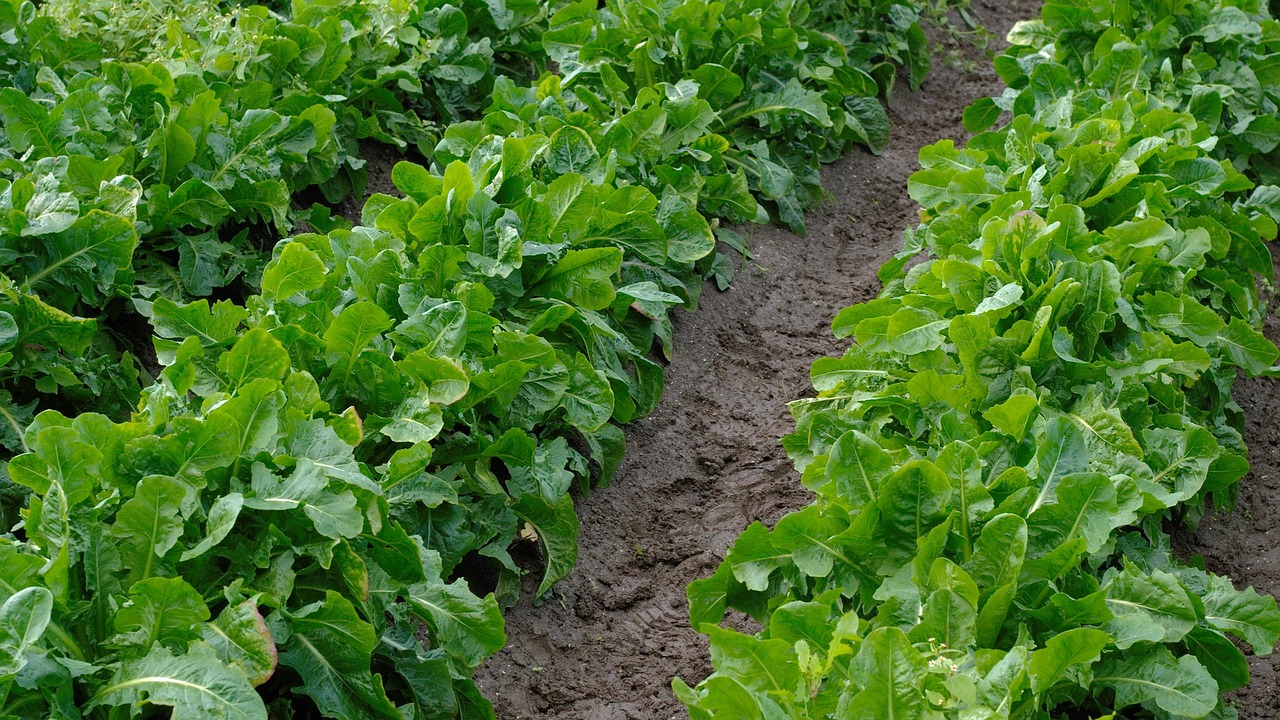
Inulin is a naturally occurring fructan (fructose polymer) found in chicory root (highest concentration), Jerusalem artichoke, garlic, onion, and banana. Commercial inulin is typically extracted from chicory root (Cichorium intybus) via hot water extraction. It is a Type 1 prebiotic by the ISAPP definition — selectively utilized by beneficial gut microorganisms. Fructooligosaccharides (FOS) are short-chain inulin variants with similar prebiotic properties.
Mechanism of Action
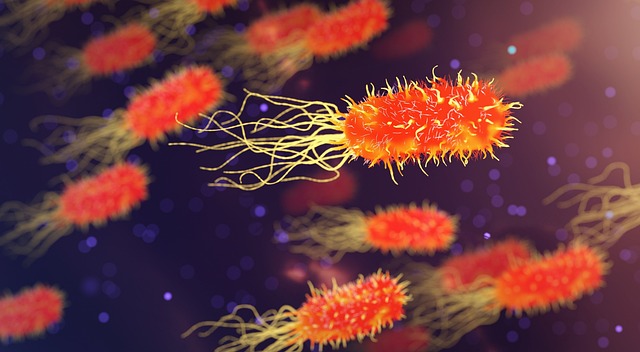
Inulin reaches the colon undigested (humans lack β-fructosidase) where it is selectively fermented by Bifidobacterium and Lactobacillus species. This fermentation process: (1) increases beneficial bacteria populations by 2–10 fold in clinical studies; (2) produces SCFAs (butyrate, propionate, acetate) that feed colonocytes, reduce colonic pH, and inhibit pathogen growth; (3) stimulates mucin production, thickening the protective gut mucus layer; (4) modulates immune function via increased regulatory T-cell populations and reduced inflammatory cytokines.
Clinical Evidence
Inulin has the strongest evidence base of any prebiotic for microbiome modification. A 2010 systematic review found ≥10 human RCTs consistently showing inulin/FOS supplementation significantly increased Bifidobacterium counts (effect size large: >1 billion CFU/g stool increase). For constipation: a 2017 Cochrane review found inulin-type fructans significantly improved stool frequency vs placebo. For glycemic control: meta-analyses show modest reductions in fasting glucose and HbA1c in type 2 diabetics.
Critical caveat: A 2019 RCT (Bonnaire et al., Journal of Nutrition) found inulin worsened global IBS symptoms vs placebo in FODMAP-sensitive patients (p=0.002). Low-FODMAP diets specifically restrict inulin-containing foods.
Dosage & Administration
Microbiome support: 5–10g/day. Constipation: 10–20g/day. Start low: 2–3g/day for 1 week, increase by 2–3g weekly. Take with or after a meal — reduces gastric distress. Available as powder (mixes easily with cold liquids) or capsules. Avoid in fructose intolerance or low-FODMAP protocols.
Safety Profile
Generally safe. Main adverse effects are dose-dependent GI symptoms (gas, bloating, cramping) from fermentation — these reduce as the microbiome adapts over 2–4 weeks. Contraindicated in severe fructose intolerance. Not recommended at doses >20g/day. No known drug interactions. Safe in pregnancy at dietary doses.
BioBoost Verdict
Inulin earns Strong ✅ (8/10) for microbiome-focused gut health supplementation — the best-evidenced prebiotic for Bifidobacterium stimulation and SCFA production. The important clinical caveat: it is a FODMAP and is contraindicated in IBS patients following low-FODMAP protocols. Start low, go slow on dosing.
🛒 Products Containing Inulin
- GutOptim Review — Gut health formula with inulin as primary prebiotic for Bifidobacterium support
- SynoGut Review — Natural gut health formula with inulin + fiber blend
Frequently Asked Questions
What does inulin do as a prebiotic?
Selectively feeds Bifidobacterium and Lactobacillus, increasing populations 2–10 fold. Fermented into butyrate and other SCFAs that feed colonocytes and strengthen the gut barrier.
How much should I take daily?
5–10g/day for microbiome support. Start at 2–3g/day to minimize gas. Increase gradually over weeks.
Is inulin good for IBS?
Mixed — it is a FODMAP and can worsen symptoms in FODMAP-sensitive IBS patients. Use with caution; consult a dietitian if on low-FODMAP protocol.
Side effects?
Gas, bloating, cramping — dose-dependent, reduce as microbiome adapts. Contraindicated in fructose intolerance.
Which gut health products contain it?
GutOptim and SynoGut — reviewed at BioBoostReviews.
Affiliate Disclosure: This page contains affiliate links. Analysis based on published clinical evidence only.
Important Disclaimer
⚠️ Medical Disclaimer: The information provided in this review is for educational purposes only and is not intended to diagnose, treat, cure, or prevent any disease. These statements have not been evaluated by the Food and Drug Administration. This is a dietary supplement and should not replace professional medical advice. Consult your healthcare provider before starting any new supplement.