Quick Answer: What Does the Science Say About Lactobacillus Acidophilus?
Lactobacillus acidophilus is one of the most studied probiotic strains in human gut health research. It has moderate-to-strong clinical evidence for reducing diarrhea duration, modest evidence for IBS symptom improvement, and well-characterized mechanisms for microbiome and gut barrier support. Results are strain-specific — L. acidophilus NCFM has the most robust human evidence.
What Is Lactobacillus Acidophilus?
Lactobacillus acidophilus is a gram-positive, lactic acid-producing bacterium naturally resident in the human small intestine and vaginal tract. It was first isolated in 1900 by Ernst Moro and has been studied as a therapeutic probiotic for over a century. It is the most common probiotic strain in commercial supplements globally. Key property: acid resistance — it survives the acidic stomach environment and reaches the small intestine viable, unlike many other probiotic strains.
Mechanism of Action
L. acidophilus acts through multiple complementary mechanisms. It competes for adhesion to intestinal epithelial cells, physically blocking pathogen colonization. It produces lactic acid and bacteriocins (acidolin, bacteriocin A) that create a hostile environment for pathogens including E. coli, Salmonella, and Candida albicans. It modulates immune function by interacting with toll-like receptors on dendritic cells, promoting regulatory T-cell development and reducing excessive inflammatory responses. It strengthens the gut barrier by upregulating tight junction proteins (occludin, ZO-1) that reduce intestinal permeability — relevant for the “leaky gut” pathophysiology implicated in IBS and inflammatory bowel conditions.
Clinical Evidence
The evidence base is extensive but strain-specific. For antibiotic-associated diarrhea (AAD): a 2012 meta-analysis found L. acidophilus-containing preparations significantly reduced AAD risk (RR 0.53, 95% CI 0.38–0.73). For IBS: a 2016 meta-analysis showed Lactobacillus strains collectively reduced IBS symptoms vs placebo (SMD -0.34, p<0.001); L. acidophilus NCFM specifically reduced abdominal bloating in a 2007 RCT. For traveler’s diarrhea: L. acidophilus reduces incidence when taken prophylactically (multiple RCTs). For Helicobacter pylori: adjunct L. acidophilus improves eradication rates and reduces antibiotic side effects.
Dosage & Administration
Effective CFU range: 1–10 billion CFU/day. Most supplement doses: 1–5 billion CFU per strain. Take with or 30 minutes before a meal — food buffers stomach acid and improves survival. Refrigerate live culture products unless shelf-stable technology specified. Consistent daily intake is essential — gut colonization is transient and requires continuous supplementation. Clinical benefits are typically observed after 4–8 weeks of consistent use.
Safety Profile
GRAS status (FDA). Extensively used safely for decades. Adverse effects: mild bloating and gas in first 1–2 weeks (typically self-resolving). Not recommended for severely immunocompromised patients (organ transplant, HIV/AIDS with CD4 <200) — rare cases of probiotic bacteremia reported. Safe during pregnancy per most clinical guidelines. Drug interactions: separate from antibiotics by 2 hours.
BioBoost Verdict
L. acidophilus earns Strong ✅ (8/10) as the most extensively studied probiotic strain for gut health, with particularly strong evidence for antibiotic-associated diarrhea prevention and moderate evidence for IBS bloating reduction. Strain specificity matters — NCFM is the best-documented strain for IBS; generic “L. acidophilus” without strain designation has less predictable effects.
🛒 Products Containing Lactobacillus Acidophilus
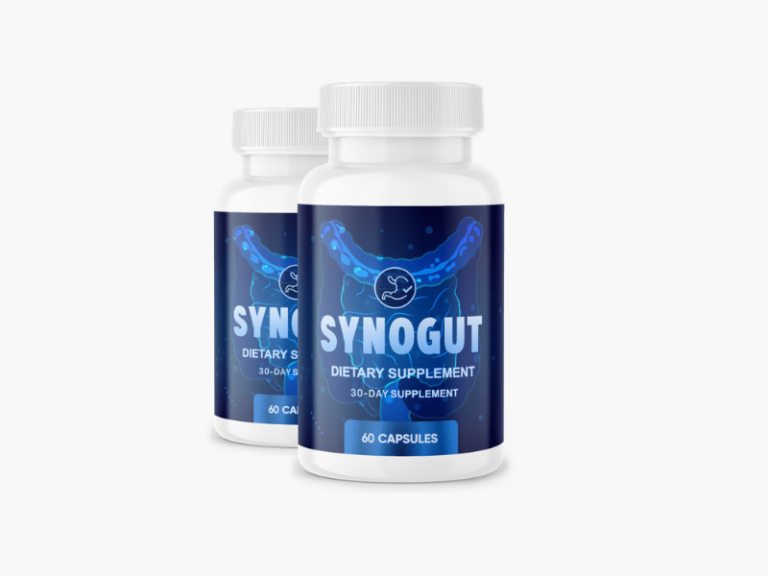
- GutOptim Review — Multi-strain probiotic blend with L. acidophilus as a primary strain
- DigestSync Review — Comprehensive digestive formula with L. acidophilus + prebiotic fiber
- DigestiStart Review — Probiotic digestive support with L. acidophilus blend
- SynoGut Review — Natural gut health formula with L. acidophilus + fiber complex
Frequently Asked Questions
What does Lactobacillus acidophilus do?
Colonizes intestinal epithelium, competes with pathogens, produces lactic acid and bacteriocins, modulates immune response, and strengthens gut barrier by upregulating tight junction proteins.
How much should I take?
1–10 billion CFU/day. Take with or before meals. Consistent daily use for 4–8 weeks for clinical benefits. Refrigerate unless shelf-stable.
Can it help with IBS?
Moderate evidence — 2016 meta-analysis found Lactobacillus strains collectively reduced IBS symptoms. L. acidophilus NCFM specifically reduced bloating in one RCT. Strain specificity matters.
Is it safe?
GRAS status. Safe for healthy adults. Mild bloating initially. Avoid in severely immunocompromised patients.
Which gut health products contain it?
GutOptim, DigestSync, DigestiStart, SynoGut — all reviewed at BioBoostReviews.
Affiliate Disclosure: This page contains affiliate links. Analysis based on published clinical evidence only.
Important Disclaimer
⚠️ Medical Disclaimer: The information provided in this review is for educational purposes only and is not intended to diagnose, treat, cure, or prevent any disease. These statements have not been evaluated by the Food and Drug Administration. This is a dietary supplement and should not replace professional medical advice. Consult your healthcare provider before starting any new supplement.