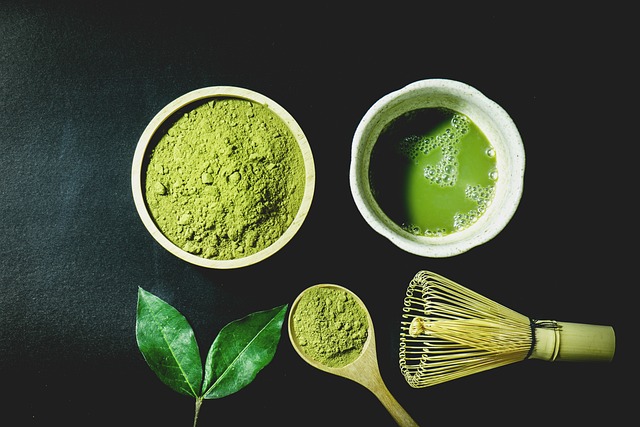
Green tea (Camellia sinensis) has been consumed for thousands of years, but its weight management potential centers on one compound: EGCG (epigallocatechin gallate). This polyphenol accounts for 50-80% of total catechins in green tea and has become one of the most researched natural ingredients for fat metabolism, with over 3,000 published studies examining its effects on thermogenesis, antioxidant capacity, and metabolic health.
What Makes Green Tea EGCG Unique?
EGCG’s primary weight management mechanism involves COMT inhibition (catechol-O-methyltransferase). COMT is an enzyme that degrades norepinephrine, the hormone that signals fat cells to break down stored fat. By inhibiting COMT, EGCG extends the thermogenic signal, increasing the rate at which the body burns calories. This effect is amplified when combined with caffeine, which increases norepinephrine release — creating a synergistic “push-pull” mechanism on fat oxidation.
Beyond thermogenesis, EGCG is a potent antioxidant (scavenging reactive oxygen species), supports endothelial function (cardiovascular health), modulates gut microbiota, and may inhibit adipogenesis (formation of new fat cells) through AMPK pathway activation.
Clinical Evidence
1. Fat Oxidation & Thermogenesis
The landmark meta-analysis by Hursel et al. (2009) in the International Journal of Obesity (PMID: 19597519) pooled 11 RCTs and found that green tea catechins increased energy expenditure by approximately 4.7% (~80 calories/day) and fat oxidation by 16% compared to placebo. The effect was more pronounced in Asian populations (possibly due to genetic differences in COMT activity). A Cochrane review by Jurgens et al. (2012, PMID: 23235664) confirmed a small but statistically significant effect on body weight (-1.31 kg over 12 weeks).
📊 Evidence Level: STRONG — Consistent across multiple meta-analyses, though effect size is modest.
2. Antioxidant & Cardiovascular Benefits
Khalesi et al. (2014, PMID: 25159023) conducted a meta-analysis of 13 RCTs finding green tea consumption reduced LDL cholesterol by 7.2 mg/dL and blood pressure by 2.1/1.7 mmHg. The antioxidant ORAC value of EGCG is among the highest of natural polyphenols, approximately 10x more potent than vitamin C per mole in in vitro radical scavenging assays.
📊 Evidence Level: STRONG — Well-established cardiovascular benefits across large meta-analyses.
3. Body Composition
Huang et al. (2014, PMID: 24172297) analyzed 24 RCTs and found that green tea catechins reduced body weight by 1.2 kg, BMI by 0.5 points, and waist circumference by 1.9 cm over 12 weeks. Effects were most significant in studies using 400-500mg EGCG/day combined with regular physical activity. The synergy with exercise appears related to enhanced post-exercise fat oxidation.
📊 Evidence Level: MODERATE — Consistent but clinically modest as standalone intervention; synergistic with exercise.
Dosage Guide
| Purpose | Studied Dose (EGCG) | Notes |
|---|---|---|
| Fat oxidation / thermogenesis | 250-500mg EGCG/day | With caffeine enhances effect |
| Antioxidant support | 150-300mg EGCG/day | Lower dose sufficient |
| Cardiovascular support | 300-400mg EGCG/day | Equivalent to ~3-4 cups green tea |
Safety note: Always take green tea extract with food. The European Food Safety Authority (EFSA) advises that doses above 800mg EGCG/day from supplements may be associated with liver toxicity risk. Decaffeinated extracts are available for caffeine-sensitive individuals.
What to Look for in a Green Tea Supplement
Choose supplements standardized to 45-60% EGCG (or specifying EGCG content per capsule). Look for products that clearly state caffeine content per serving. Avoid mega-dose products exceeding 800mg EGCG per day. Green tea extracts combined with small amounts of caffeine (50-100mg) show enhanced thermogenic effects in studies. Third-party testing for heavy metals (especially lead, which tea plants can accumulate) is a quality indicator.
Evidence Summary
| Outcome | Evidence Level | Key Reference |
|---|---|---|
| ✅ Thermogenesis / fat oxidation | STRONG | Hursel 2009 meta-analysis |
| ✅ Antioxidant / cardiovascular | STRONG | Khalesi 2014 meta-analysis |
| ✅ Body weight reduction | MODERATE | Huang 2014, Jurgens 2012 Cochrane |
| ✅ Synergy with exercise | MODERATE | Venables 2008 (PMID: 18326618) |
BioBoost Verdict
🔬 BioBoost Evidence Score: 7.5/10 ✅
Green tea EGCG is a well-researched thermogenic compound with strong evidence for modest fat oxidation enhancement and cardiovascular benefits. As a standalone weight loss ingredient, the effect is small (~1-2 kg over 12 weeks), but EGCG shines when combined with regular exercise and a balanced diet. Its antioxidant benefits provide additional health value beyond weight management. The key limitation is the gap between standardized extract doses in clinical trials and the amounts found in many commercial supplements.
🛒 Products in Our 2026 Ranking Containing Green Tea EGCG
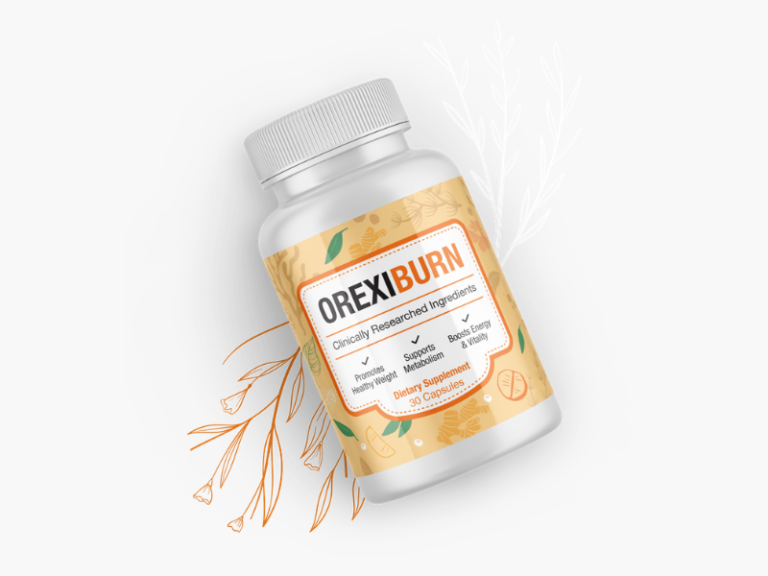
- OrexiBurn (4.2/5) — Features EGCG alongside Glucomannan (EFSA-approved) in its thermogenic weight loss formula
- Vertigenics (4.0/5) — Includes Green Tea EGCG as part of its metabolic-antioxidant dual pathway
Frequently Asked Questions
What is EGCG and why is it important?
EGCG (epigallocatechin gallate) is the most abundant and bioactive catechin in green tea, accounting for 50-80% of total catechin content. It is a potent antioxidant that supports thermogenesis (fat burning), metabolic rate, and cellular protection against oxidative stress.
How much green tea extract should I take for weight loss?
Clinical studies showing weight management benefits typically use 250-500mg of EGCG per day. Most standardized supplements contain 45-60% EGCG. Take with meals to improve absorption and reduce the risk of liver-related side effects.
Is green tea extract safe?
Green tea extract is generally safe at recommended doses (up to 800mg EGCG/day per EFSA guidance). However, high-dose supplements taken on an empty stomach have been linked to rare liver injury. Take with food and avoid exceeding recommended doses.
Does green tea extract burn fat?
EGCG can modestly increase fat oxidation by inhibiting COMT, an enzyme that breaks down norepinephrine. Meta-analyses show green tea catechins increase energy expenditure by 80-100 calories/day on average — a small but measurable thermogenic effect.
Can I take green tea extract with caffeine?
Many green tea extracts naturally contain caffeine, and the EGCG-caffeine combination appears synergistic for thermogenesis. If you are caffeine-sensitive, choose decaffeinated extracts. Total caffeine from all sources should stay below 400mg/day.
Affiliate Disclosure: BioBoost Reviews participates in affiliate programs. We may earn a commission when you purchase through our links at no additional cost to you.
Important Disclaimer
⚠️ Medical Disclaimer: The information on BioBoost Reviews is for informational purposes only and should not be considered medical advice. These statements have not been evaluated by the FDA. Always consult with a qualified healthcare provider before starting any supplement. Individual results may vary.