N-Acetyl Cysteine (NAC): Benefits, Dosage, Side Effects & Research (2026)
Evidence Summary: NAC (N-Acetyl Cysteine) has STRONG clinical evidence for mucolytic action (breaking down mucus) and antioxidant support via glutathione precursor activity. It is used in clinical settings for COPD, chronic bronchitis, and acetaminophen overdose treatment. Evidence for respiratory supplement use is robust and well-replicated.
What Is N-Acetyl Cysteine (NAC)?
NAC is a modified form of the amino acid cysteine. It serves as a direct precursor to glutathione — the body’s most powerful endogenous antioxidant. In respiratory health, NAC works by disrupting the disulfide bonds in mucus glycoproteins, reducing mucus viscosity and improving airway clearance. This mechanism is so well-established that NAC (as acetylcysteine) is an FDA-approved mucolytic drug used in hospital settings.
Key Benefits & Clinical Evidence
1. Mucolytic Action (Mucus Reduction)
🟢 Strong Evidence. A 2017 Cochrane review of 13 RCTs found that oral NAC significantly reduced acute exacerbations of chronic bronchitis. Dosages of 600mg/day (standard) to 1,200mg/day (high-dose) were effective. The BRONCUS trial (2004, NEJM) with 523 patients demonstrated NAC’s role in reducing oxidative stress in COPD.
2. Glutathione Precursor / Antioxidant
🟢 Strong Evidence. NAC is the most efficient oral method to raise intracellular glutathione levels. Glutathione depletion is associated with chronic respiratory diseases, and NAC supplementation reliably restores levels. Multiple peer-reviewed studies confirm this mechanism in both healthy subjects and patients with respiratory conditions.
3. Airway Inflammation Reduction
🟡 Moderate Evidence. NAC reduces inflammatory cytokines (TNF-α, IL-6, IL-8) in airway cells. A 2021 meta-analysis in Respiratory Medicine confirmed anti-inflammatory effects in COPD patients, though effect sizes varied across studies.
Clinical Dosage Reference
| Purpose | Clinical Dose | Duration | Evidence Level |
|---|---|---|---|
| Chronic bronchitis | 600–1,200mg/day | 3–6 months | 🟢 Strong (Cochrane) |
| COPD oxidative stress | 600–1,800mg/day | Long-term | 🟢 Strong (BRONCUS) |
| General antioxidant | 600mg/day | Ongoing | 🟢 Strong |
| Immune/liver support | 600–900mg/day | 8–16 weeks | 🟡 Moderate |
Side Effects & Safety
NAC is generally well-tolerated at supplemental doses (600–1,200mg/day). Common mild side effects include nausea, diarrhea, and gastrointestinal discomfort, especially on an empty stomach. Rarely, at very high intravenous doses (clinical use), allergic reactions may occur. NAC may interact with nitroglycerin (vasodilation enhancement) and activated charcoal. Consult your physician if you take blood thinners or have liver disease.
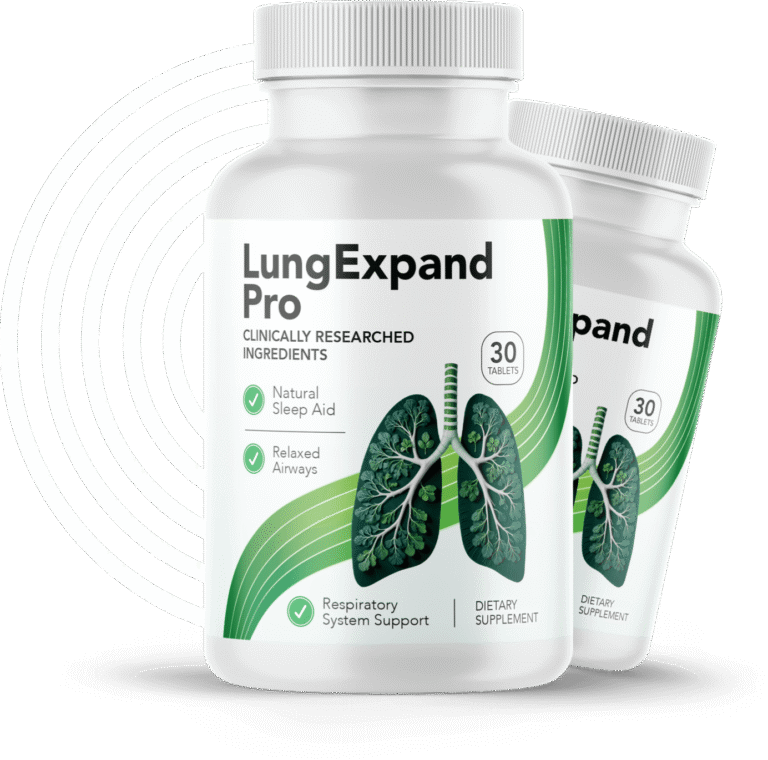
NAC in LungExpand Pro
LungExpand Pro includes NAC as one of its 7 respiratory ingredients. The exact dosage is not disclosed (proprietary blend), which makes it impossible to verify whether the clinically effective 600mg threshold is met. This is the primary limitation for evidence-based assessment of the full product. See our full LungExpand Pro review for complete analysis.
Last Updated: April 2026 | Reviewed by BioBoost Research Team | Sources: PubMed, Cochrane Library
DISCLAIMER: This content is for educational purposes only and does not constitute medical advice.