Xylitol is a naturally occurring five-carbon sugar alcohol (polyol) found in birch bark, corn cobs, and many fruits and vegetables. While it tastes and looks like sugar, xylitol has a unique property that makes it a powerful dental health tool: cavity-causing bacteria cannot metabolize it. This simple biochemical fact, discovered in Finnish dental research in the 1970s, has made xylitol one of the most studied and validated natural anti-cavity compounds in dentistry.
What Makes Xylitol Unique for Dental Health?
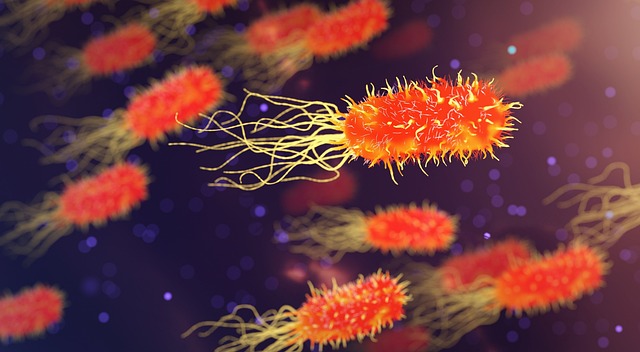
Xylitol’s anti-cavity mechanism is elegantly simple. Streptococcus mutans (the primary cavity-causing bacterium) has a transport system that takes up xylitol in place of glucose. Once inside the bacterial cell, xylitol is phosphorylated to xylitol-5-phosphate, which cannot be further metabolized. The bacterium wastes energy trying to expel this dead-end metabolite (a “futile cycle”), eventually leading to energy depletion and bacterial death. Over time, this selectively reduces S. mutans populations while harmless bacteria are unaffected.
Additional mechanisms: xylitol stimulates salivary flow (saliva neutralizes acids and provides calcium/phosphate for remineralization), reduces bacterial adhesion to enamel (making biofilm less sticky), and may enhance calcium absorption in the gut, supporting systemic mineral availability for teeth.
Clinical Evidence
1. Cavity Prevention (Landmark Finnish Studies)
The Turku Sugar Studies (Scheinin et al., 1975, PMID: 1056704) were the first large-scale trials demonstrating xylitol’s anti-cavity effect. Over 2 years, subjects using xylitol as their sole sweetener had 85% fewer cavities compared to the sucrose group. Subsequent studies in Ylivieska, Finland (Isokangas et al., 2000, PMID: 10740677) showed that children whose mothers chewed xylitol gum had 70% fewer cavities by age 5, demonstrating maternal transmission prevention of S. mutans.
📊 Evidence Level: STRONG — Landmark longitudinal studies with dramatic effect sizes; widely replicated.
2. S. mutans Reduction
Milgrom et al. (2006, PMID: 17159332) demonstrated that 5-10g/day xylitol (via gum, 5 times daily) significantly reduced salivary S. mutans counts within 5 weeks. Ly et al. (2006, PMID: 16442539) confirmed that xylitol’s effect is dose-dependent and frequency-dependent — 3+ exposures per day are needed for consistent bacterial reduction.
📊 Evidence Level: STRONG — Consistent across multiple studies; mechanism well-characterized at molecular level.
3. Ear Infection Prevention (Bonus Benefit)
A Cochrane review by Azarpazhooh et al. (2011, PMID: 22071813) found that xylitol (gum or syrup, 8-10g/day) reduced the incidence of acute otitis media (ear infections) in children by approximately 25%. The mechanism is reduction of nasopharyngeal S. pneumoniae and H. influenzae adhesion — the same anti-adhesion property that protects teeth.
📊 Evidence Level: MODERATE — Cochrane review supports the effect; practical delivery (gum in young children) is a limitation.
Dosage Guide
| Purpose | Daily Dose | Frequency |
|---|---|---|
| Cavity prevention | 5-10g/day | 3-5 exposures/day (after meals) |
| S. mutans reduction | 6-10g/day | 5 times/day (gum or mints) |
| General oral health | 3-5g/day | 2-3 exposures/day |
Critical: Frequency matters more than total dose. Each exposure should deliver at least 1g xylitol and ideally occur after meals/snacks when oral pH is lowest. Xylitol gum (2 pieces = ~2g) chewed for 5-10 minutes after eating is the most practical protocol. GI tolerance builds over 1-2 weeks if gradually introduced.
What to Look for in a Xylitol Product
Xylitol must be the first-listed sweetener (not a minor additive). In gum, each piece should contain at least 1g xylitol. Birch-derived xylitol and corn-derived xylitol are functionally identical for dental purposes. Avoid products combining xylitol with other sugars (sorbitol alone is much less effective). For toothpaste, xylitol is a beneficial addition but the primary anti-cavity agent should be fluoride or hydroxyapatite. ⚠️ Warning: Xylitol is extremely toxic to dogs — store all products safely away from pets.
Evidence Summary
| Outcome | Evidence | Key Reference |
|---|---|---|
| ✅ Cavity prevention | STRONG | Turku Sugar Studies 1975, Isokangas 2000 |
| ✅ S. mutans reduction | STRONG | Milgrom 2006, futile cycle mechanism |
| ✅ Saliva stimulation | STRONG | Consistent across all gum studies |
| ✅ Ear infection prevention | MODERATE | Azarpazhooh 2011 Cochrane review |
BioBoost Verdict
🔬 BioBoost Evidence Score: 8.5/10 ✅
Xylitol is one of the most evidence-backed natural dental ingredients available, with 50+ years of Finnish longitudinal research demonstrating dramatic cavity reduction. Its mechanism (starving S. mutans through a futile metabolic cycle) is elegant and well-understood. The practical advantage is its ease of use — chewing xylitol gum after meals is a simple, enjoyable habit that delivers real dental protection. The main consideration is achieving adequate dose and frequency (5-10g/day across 3-5 exposures), which requires intentional product selection rather than incidental xylitol in low-dose products.
🛒 Products in Our 2026 Ranking Containing Xylitol
For our complete dental supplement ranking, see Best Dental Supplements 2026.
Frequently Asked Questions
How does xylitol prevent cavities?
S. mutans bacteria take up xylitol but cannot metabolize it, entering a futile energy cycle that starves them. Xylitol also stimulates saliva flow and reduces bacterial adhesion to enamel.
How much xylitol do I need?
5-10g/day across 3-5 exposures (after meals). Each exposure should deliver at least 1g. Frequency matters more than total dose.
Is xylitol safe?
Safe for humans (FDA/WHO approved). GI discomfort possible above 40-50g/day. Extremely toxic to dogs — keep products away from pets.
What form of xylitol is best for teeth?
Xylitol gum is the most studied format. Mints, lozenges, and toothpaste are also effective. Xylitol must be the primary sweetener, not a minor additive.
Is xylitol better than fluoride?
They work through different mechanisms and are complementary. Fluoride remineralizes enamel; xylitol starves bacteria and stimulates saliva. Together they provide superior protection.
Affiliate Disclosure: BioBoost Reviews participates in affiliate programs. We may earn a commission through our links at no additional cost to you.
Important Disclaimer
⚠️ Medical Disclaimer: This content is for informational purposes only. Consult your dentist for personalized oral health advice. Keep xylitol products away from dogs. Individual results may vary.