Frequently Asked Questions
What is the recommended dosage for dong quai supplements?
Typical dong quai dosages range from 1-6 grams daily when taken as dried root powder, or 200-400mg daily for standardized extracts. The dosage varies depending on the form and concentration of the supplement. Always consult with a healthcare provider before starting any new supplement regimen.
Is dong quai safe to take long term?
Long-term safety of dong quai hasn’t been extensively studied in clinical trials. Most traditional use suggests it can be taken for several months, but extended use should be monitored by a healthcare professional. People taking blood thinners or those with hormone-sensitive conditions should exercise particular caution with long-term use.
What is dong quai used for?
Dong quai is traditionally used to support women’s health, particularly for menstrual irregularities, menopausal symptoms, and hormonal balance. It’s also used in traditional Chinese medicine for blood circulation support and as a general tonic. Some people use it for muscle cramps and joint pain relief.
What are the side effects of dong quai?
Common side effects of dong quai may include increased sun sensitivity, digestive upset, and potential allergic reactions. It may also interact with blood-thinning medications due to its natural anticoagulant properties. Pregnant and breastfeeding women should avoid dong quai as it may stimulate uterine contractions.
Evidence Summary: Dong Quai has LIMITED-TO-MODERATE evidence for menopause-specific benefits. While extensively used in Traditional Chinese Medicine (TCM) for female reproductive health for over 2,000 years, modern RCT data for isolated Dong Quai in menopause is inconsistent. It performs better in multi-herb TCM formulas than as a standalone supplement.
What Is Dong Quai?
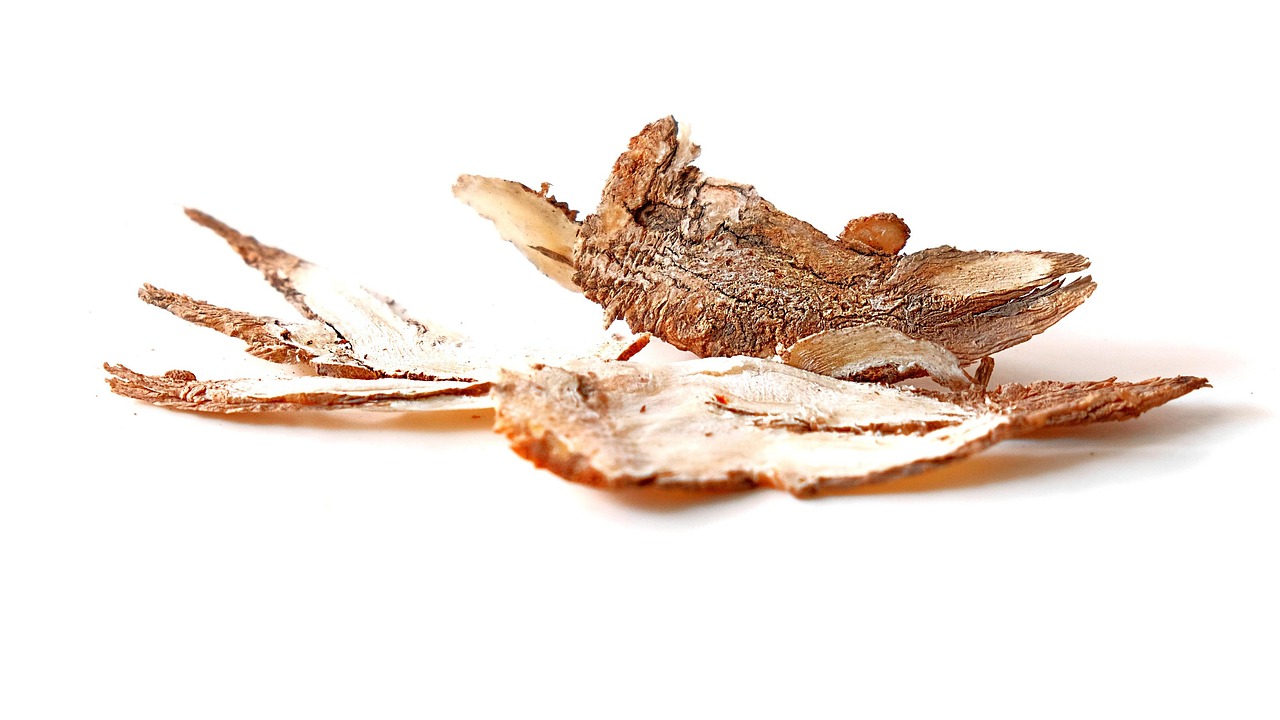
Dong Quai (Angelica sinensis) is a perennial herb native to China, Japan, and Korea, often called “female ginseng” in TCM. Its root contains ferulic acid, ligustilide, and phthalides — bioactive compounds with anti-inflammatory, antispasmodic, and mild vasodilatory properties. In TCM, Dong Quai is considered a blood tonic that supports female hormonal balance, uterine health, and circulation. It is rarely prescribed alone in TCM — typically combined with other herbs for synergistic effects.
Key Benefits & Clinical Evidence
1. Menopause Symptom Support
⚪ Limited Evidence (solo use). A landmark 1997 double-blind RCT (Hirata et al., n=71) found no significant difference between Dong Quai and placebo for hot flash frequency or endometrial thickness. However, this tested Dong Quai in isolation — not as used in TCM practice. Combined TCM formulas containing Dong Quai show more consistent benefits in multiple Asian clinical trials.
2. Anti-Inflammatory & Circulatory Properties
🟡 Moderate Evidence. Ferulic acid and ligustilide have well-documented anti-inflammatory properties in cell and animal models. Ferulic acid is also found in many other plant sources and has consistent antioxidant activity. Circulatory benefits (vasodilation, anti-platelet) are documented in pharmacological studies, though human clinical evidence is primarily from TCM combination trials.
3. Analgesic Properties (Dysmenorrhea)
🟡 Moderate Evidence. Multiple TCM trials report reduced menstrual pain with Dong Quai-containing formulas. The antispasmodic properties of phthalides provide a plausible mechanism. More relevant for women in perimenopause with irregular, painful periods.
Clinical Dosage Reference
| Purpose | Traditional/Clinical Dose | Form | Evidence |
|---|---|---|---|
| General female tonic | 3–4.5g/day dried root | Tea, capsule | ⚪ Traditional |
| TCM combination formula | Variable | Multi-herb | 🟡 Moderate |
| Standardized extract | 200–400mg/day (1% ligustilide) | Capsule | ⚪ Limited RCT |
Safety Considerations
Dong Quai contains furanocoumarins that can cause photosensitivity with sun exposure. May interact with warfarin (anticoagulant effects). Contraindicated during pregnancy (uterine stimulant properties). Women with hormone-sensitive conditions should consult their physician before use.
Last Updated: April 2026 | Sources: PubMed, Journal of Ethnopharmacology
DISCLAIMER: For educational purposes only. Not medical advice.
Affiliate Disclosure: BioBoost Reviews may receive a commission for purchases made through the links in this review. This does not affect our editorial independence or the price you pay. We only review products we believe can provide value to our readers.
Important Disclaimer
⚠️ Medical Disclaimer: The information provided in this review is for educational purposes only and is not intended to diagnose, treat, cure, or prevent any disease. These statements have not been evaluated by the Food and Drug Administration. This is a dietary supplement and should not replace professional medical advice. Consult your healthcare provider before starting any new supplement.