Quercetin: Benefits, Dosage, Side Effects & Research (2026)
Evidence Summary: Quercetin has MODERATE-TO-STRONG evidence as an antioxidant and anti-inflammatory flavonoid. Clinically relevant for respiratory health (anti-histamine, anti-inflammatory), immune function, and cardiovascular support. Multiple RCTs confirm bioavailability and activity.
What Is Quercetin?
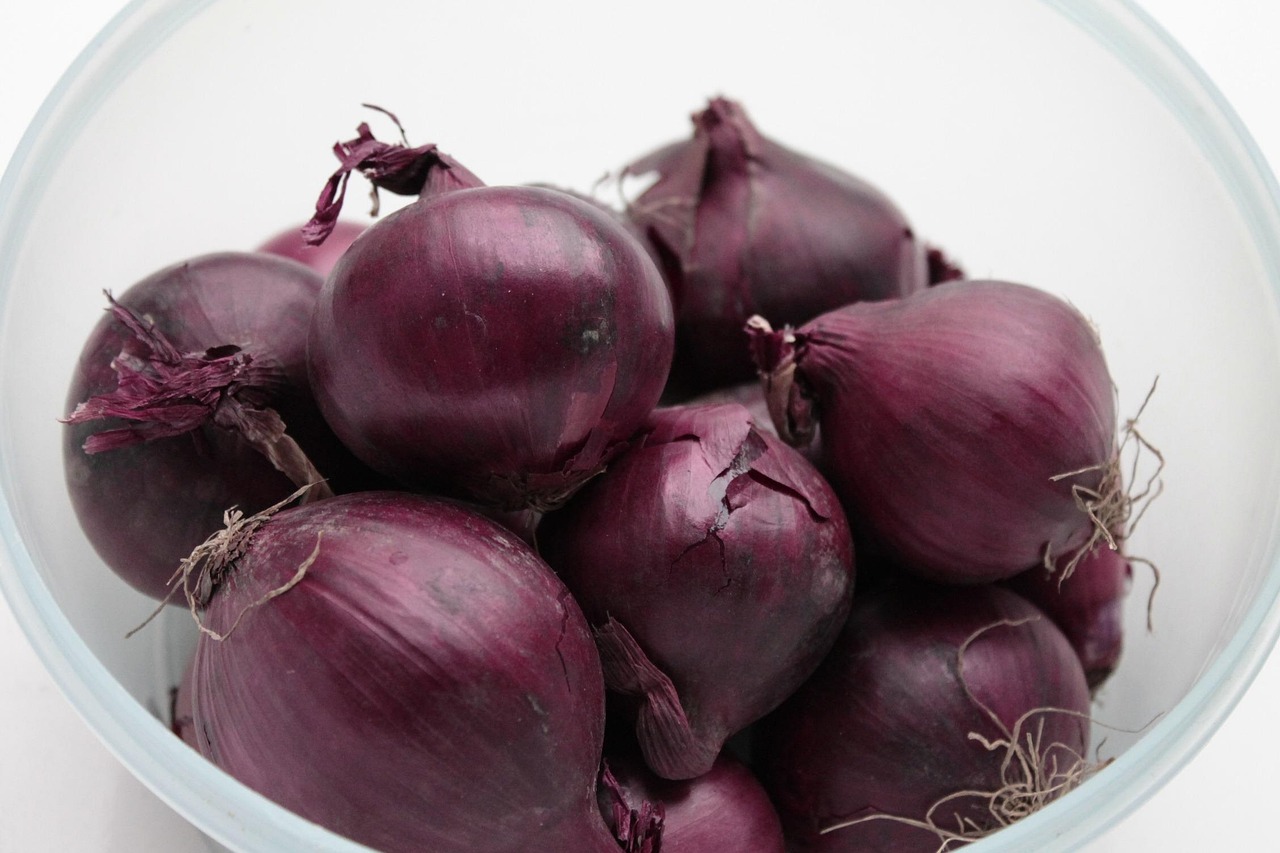
Quercetin is a flavonoid polyphenol found naturally in onions, apples, berries, and capers. It is one of the most abundant dietary antioxidants and has been extensively studied for anti-inflammatory, anti-histamine, and antioxidant properties. In respiratory health contexts, quercetin’s ability to inhibit mast cell degranulation (reducing histamine release) and suppress pro-inflammatory cytokines (TNF-α, IL-6) makes it particularly relevant.
Key Benefits & Clinical Evidence
1. Anti-Inflammatory Action
🟢 Strong Evidence. Quercetin inhibits NF-κB signaling — a master regulator of inflammatory gene expression. A 2016 meta-analysis in Nutrients (9 RCTs, n=580) found significant reductions in CRP and IL-6 with quercetin supplementation at 500–1,000mg/day.
2. Anti-Histamine / Respiratory Support
🟡 Moderate Evidence. In vitro and animal studies consistently show quercetin stabilizes mast cells, reducing histamine release. Human clinical data for allergic rhinitis and asthma specifically is promising but limited to smaller trials. A 2020 RCT (n=92) showed quercetin at 400mg/day reduced allergy symptom scores versus placebo.
3. Antioxidant Protection
🟢 Strong Evidence. Quercetin scavenges free radicals and upregulates endogenous antioxidant enzymes (SOD, catalase). Its ORAC value is among the highest of dietary flavonoids. Bioavailability is enhanced when taken with bromelain or vitamin C.
Clinical Dosage Reference
| Purpose | Clinical Dose | Form | Evidence |
|---|---|---|---|
| Anti-inflammatory | 500–1,000mg/day | Aglycone or phytosome | 🟢 Strong |
| Allergy/respiratory | 400–600mg/day | With bromelain | 🟡 Moderate |
| Antioxidant | 250–500mg/day | Any form | 🟢 Strong |
Last Updated: April 2026 | Sources: PubMed, Nutrients journal, Cochrane Library
DISCLAIMER: For educational purposes only. Not medical advice.